
What Is Methanol?
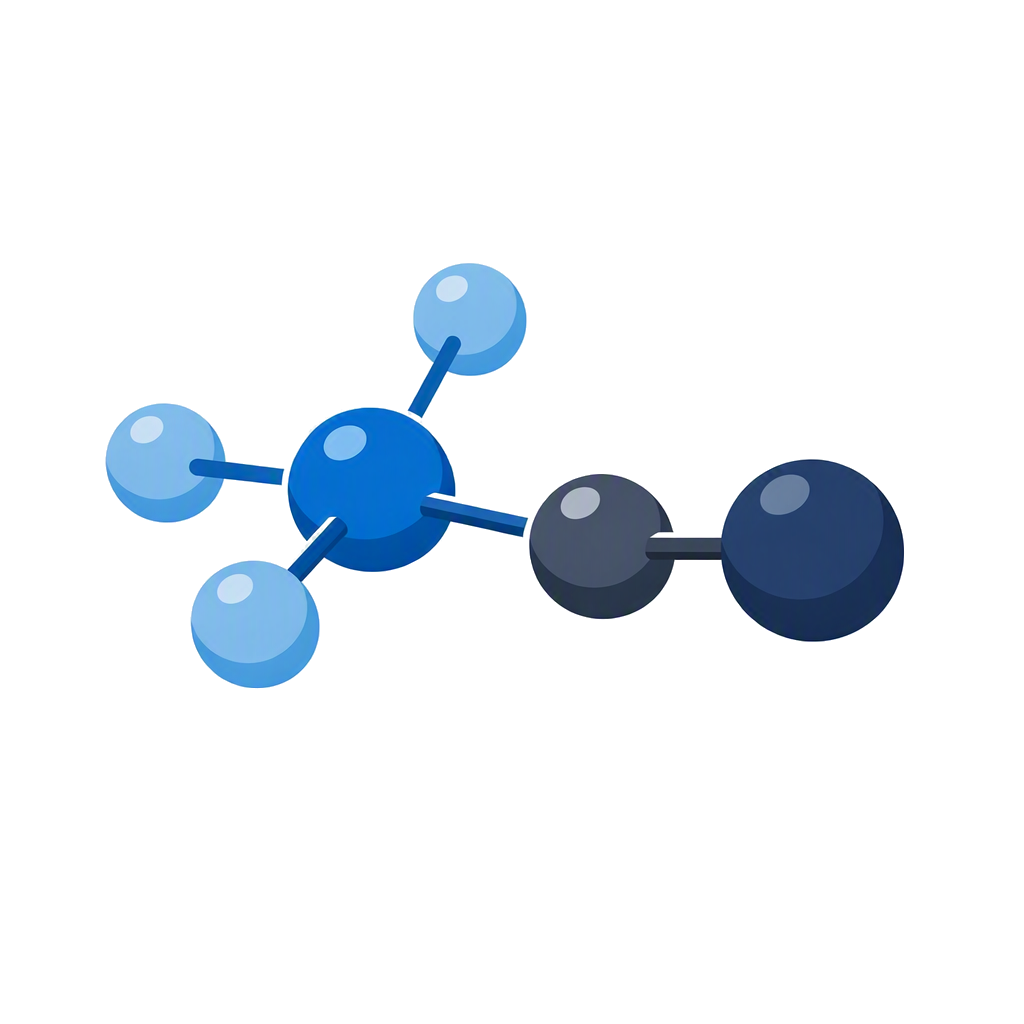
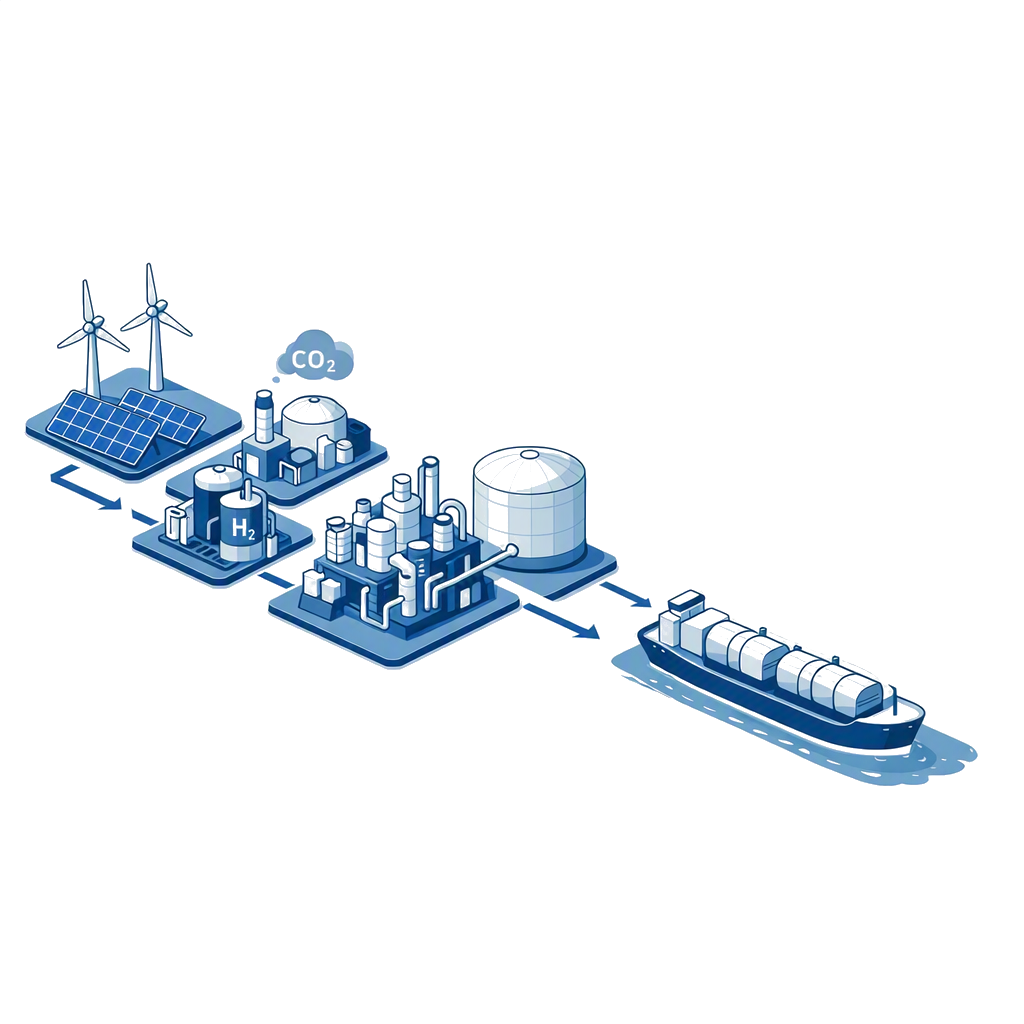
Methanol is the simplest alcohol. Due to its simple molecular structure and comparatively low production complexity, methanol can be used as energy carrier, fuel and chemical feedstock. Green methanol is produced by synthesizing renewable hydrogen with carbon dioxide originating either from biogenic sources or captured from suitable CO? streams.
Thanks to its excellent storage and transportation properties, methanol is considered a key building block of future Power-to-X value chains.
Why Companies Are Choosing Methanol
Methanol offers numerous advantages for future energy systems:
- Easy storage and handling
- Existing transportation and logistics infrastructure
- High flexibility across applications
- Usable as both fuel and chemical feedstock
- Important building block for Power-to-X concepts
- Potential to reduce CO? emissions
- Clean combustion with very low soot formation
Opportunities for Mobility and Industry
Methanol creates new possibilities for sustainable energy systems. At the same time, material compatibility,
fuel properties, and process integration place significant demands on development and deployment.
Reliable data, testing, and technical evaluation are essential to ensure safe and efficient operation.
Our Services
Fuel Characterization
Investigation and evaluation of relevant physical and chemical fuel properties.
Material Compatibility
Assessment of materials, seals, coatings, and components exposed to methanol.
Application and System Testing
Evaluation of behavior and performance in fuel and energy systems.
Development Support
Support for research, development, and demonstration projects across the entire value chain.

FAQ: Methanol
What Is Green Methanol?
Green methanol is produced using renewable energy, typically from green hydrogen and captured carbon dioxide or from biogenic feedstocks. As a result, it can contribute significantly to reducing greenhouse gas emissions.
What Applications Is Methanol Suitable For?
Methanol can be used as fuel, energy carrier and chemical feedstock. Particularly promising applications include maritime transport, industrial processes, stationary energy systems, Power-to-X concepts and Methanol derivatives such as: MtG (Methanol-to-Gasoline) and MtO (Methanol-to-Olefins).
What Challenges Are Associated with Methanol Use?
The use of methanol requires careful consideration of material compatibility, storage requirements, safety aspects and system design. In addition, technical components must be adapted to the specific properties of methanol.
Why Is Material Compatibility Important?
Methanol can interact differently with certain materials, seals, coatings, and components. Material compatibility testing helps to prevent failures, improve reliability and ensure long-term operational safety.
How Does TEC4FUELS Support Methanol Projects?
TEC4FUELS supports companies through research, development, and demonstration projects across the entire methanol value chain, fuel characterization Material compatibility testing, component evaluation, application and system testing.