
What Are Sustainable Fuels?
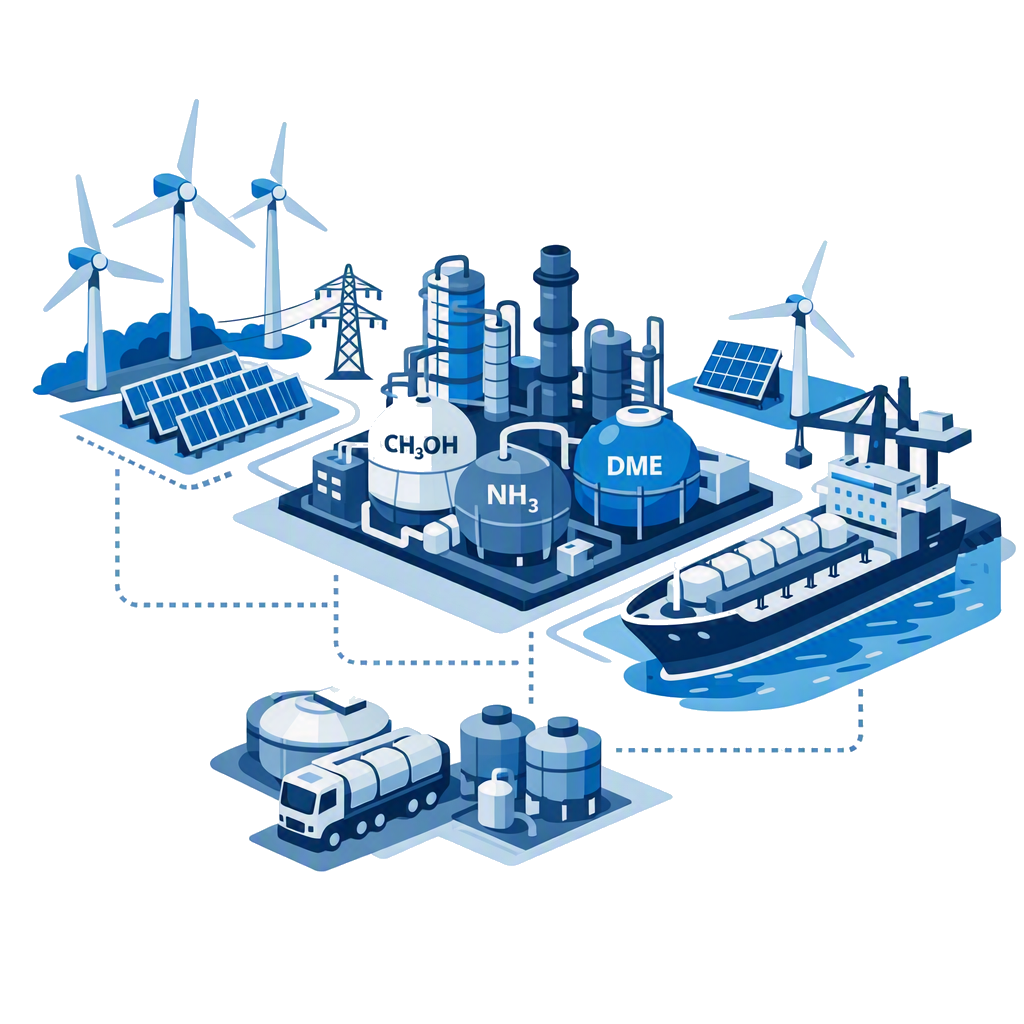
Sustainable fuels are produced from renewable energy sources, biogenic feedstocks, or from green hydrogen and captured carbon dioxide.
They can significantly reduce CO? emissions and can often be integrated into existing infrastructure and industrial processes. Depending on the application, different fuel types offer specific advantages in terms of storage, transportation, energy density and combustion characteristics
The successful market introduction of new fuels requires not only the development of the fuel itself, but also extensive investigations into material compatibility, operational safety, and technical applicability.
Why Sustainable Fuels Are Becoming Increasingly Important
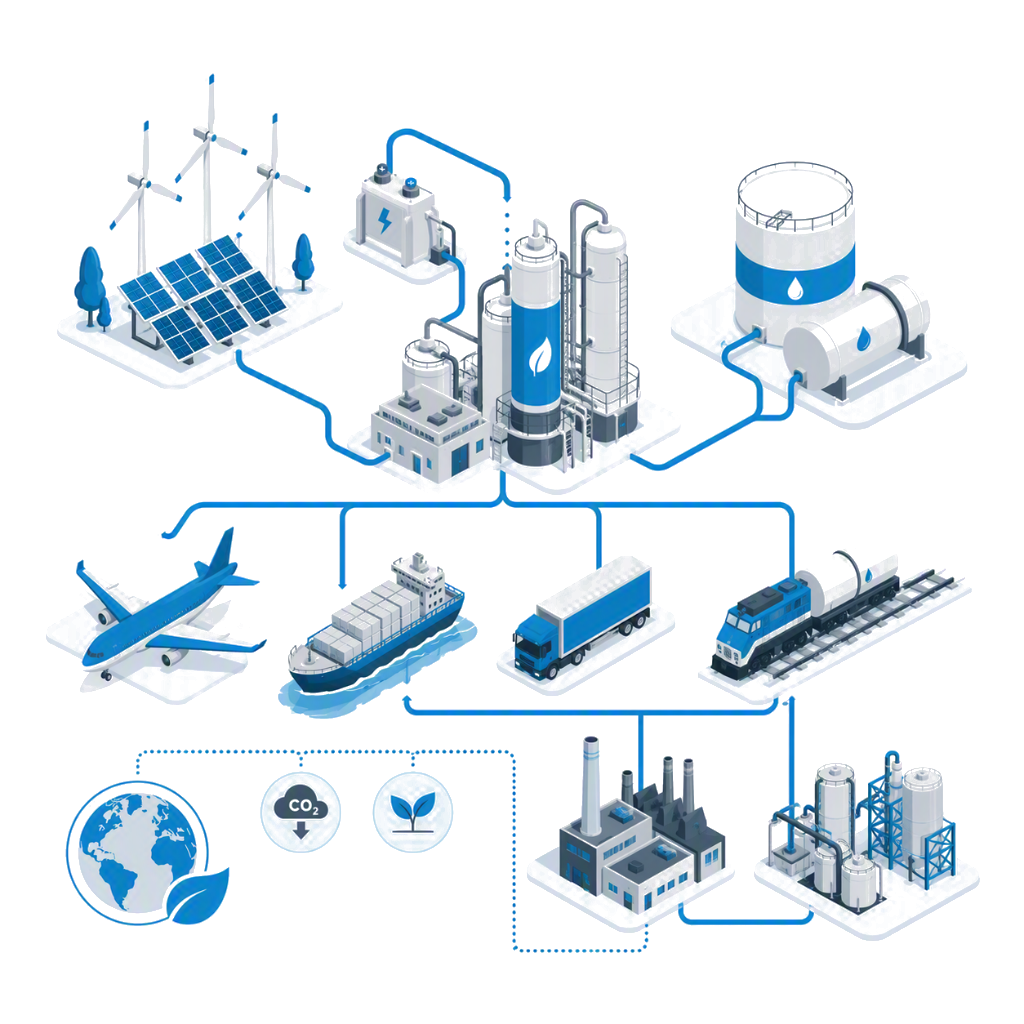
Sustainable fuels play a central role in the decarbonization of transportation, industry, and energy supply. They enable the use of renewable energy in applications that are difficult to electrify directly while leveraging existing infrastructure.
- Reduction of greenhouse gas emissions
- Use of existing infrastructure
- High energy density for demanding applications
- Storage and transport of renewable energy
- Solution for hard-to-electrify sectors
- Contribution to future energy security
Future Technologies for Mobility and Energy Supply
Requirements for future energy carriers differ significantly depending on the application. Therefore, several promising fuel options are currently the focus of research and development.
Our Services
Expertise in Sustainable Fuels
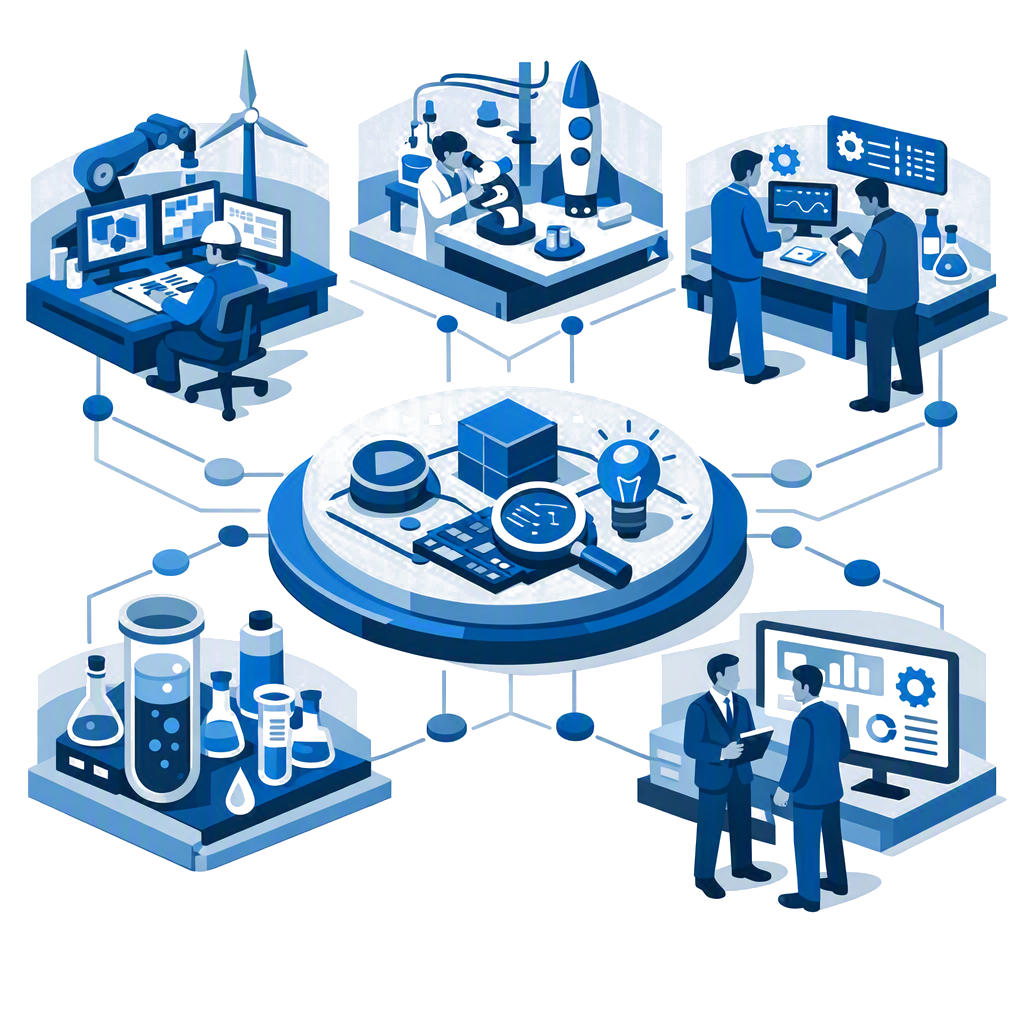
TEC4FUELS supports companies throughout the entire development chain for alternative energy carriers and fuels.
Fuel Development
Support for the development, optimization, and technical evaluation of innovative fuel concepts.
Testing and Analytics
Comprehensive investigations of the physical, chemical, and application-related properties of sustainable fuels.
Material Compatibility
Evaluation of interactions between fuels, materials, seals, and system components.
Process Optimization
Support in developing efficient production, storage, and utilization concepts.
Customized Research and Development Projects
Tailored solutions for specific technical challenges across the entire value chain.
Developing the Energy Carriers of the Future Together
Would you like to evaluate sustainable fuels, explore new applications, or investigate technical questions
related to methanol, ammonia, or dimethyl ether?
Our experts support you from the initial concept stage through technical evaluation and implementation.
FAQ: Sustainable Fuels
What Are Sustainable Fuels?
Sustainable fuels are produced from renewable resources or based on green hydrogen and help reduce greenhouse gas emissions.
What Are the Advantages of Methanol as an Energy Carrier?
Methanol is easy to store and transport, highly versatile, and can serve as a key building block for future Power-to-X value chains.
Why Is Ammonia Considered a Hydrogen Carrier?
Ammonia enables the storage and transportation of large amounts of energy and can serve as a hydrogen carrier for international energy systems.
What Applications Is Dimethyl Ether Suitable For?
Dimethyl ether is particularly suitable for compression-ignition engines and various industrial applications that require clean combustion.
Why Is Testing Important for Sustainable Fuels?
Testing and material compatibility studies are essential to ensure the safety, reliability, and long-term stability of new fuels and energy systems.