
What Are Fuel Cells?
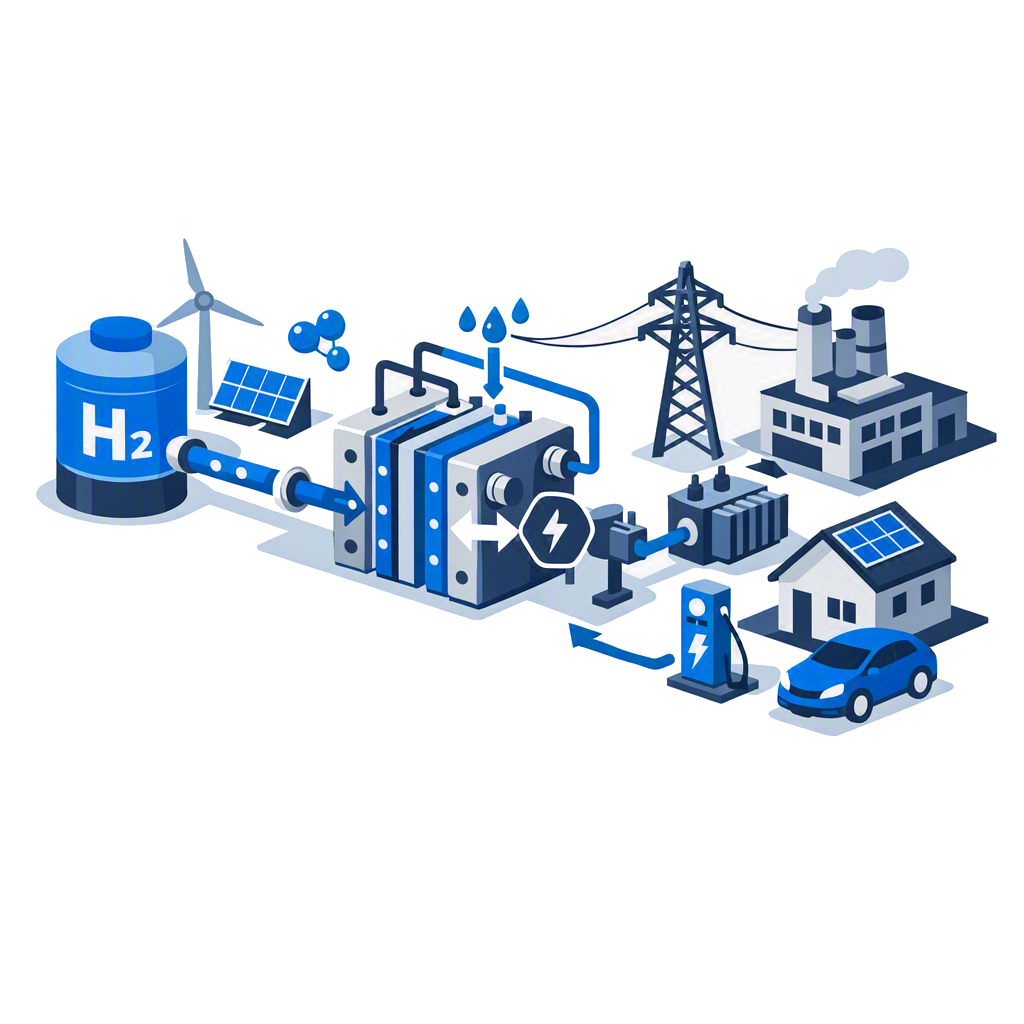
Fuel cells generate electricity through the electrochemical reaction of hydrogen and oxygen. Unlike combustion processes, energy conversion takes place without a flame and with high efficiency. Water and heat are produced as reaction products.
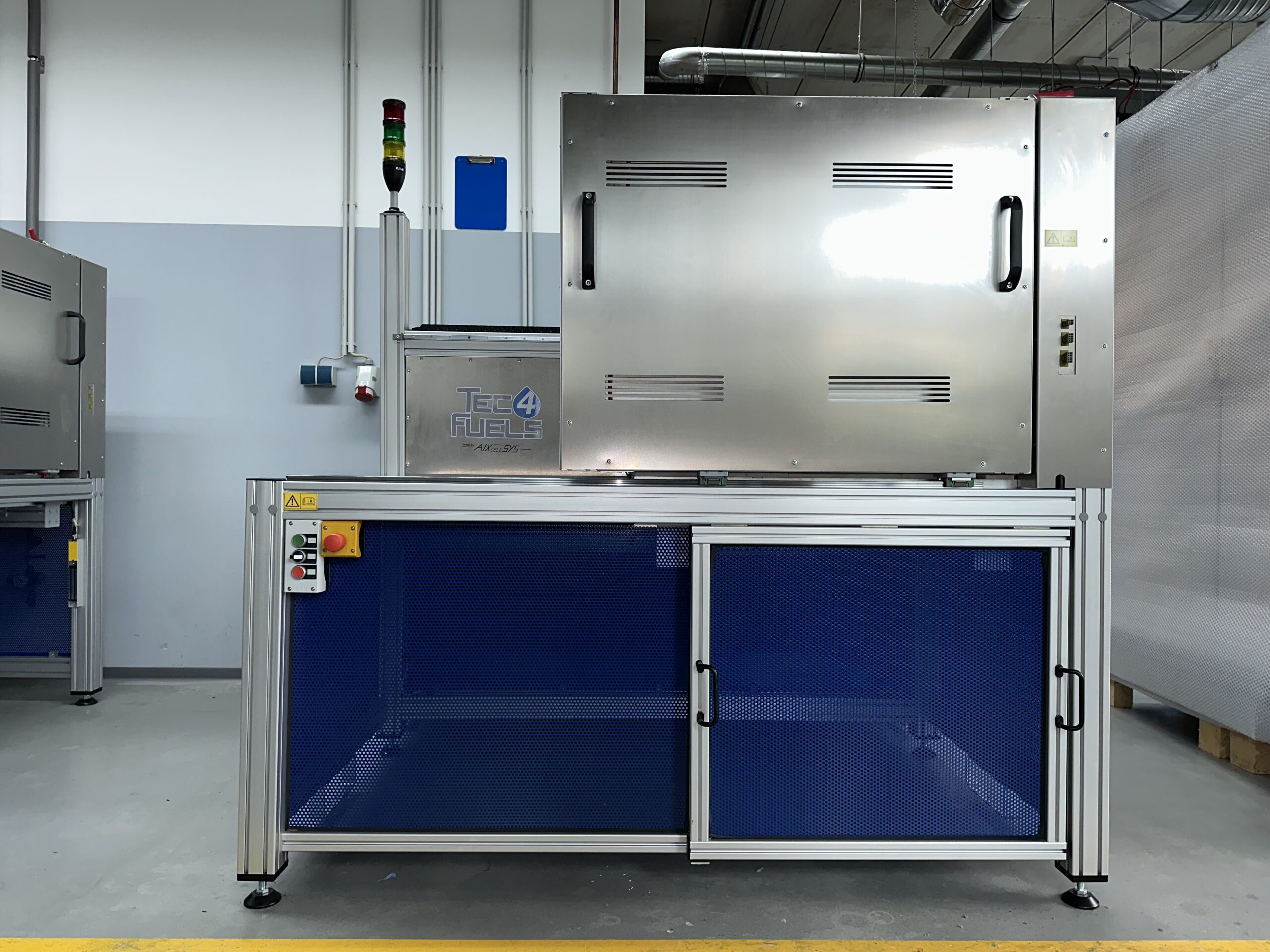
Prüfstand_Brennstoffzellen
Brennstoffzellen Prüfstand, Tec4Fuels GmbH
Why Fuel Cells?
- High energy efficiency
- Low-emission operation
- Direct use of hydrogen as an energy carrier
- Suitable for mobility, stationary power generation, and industrial applications
- Quiet operation with few moving components
- Contribution to the decarbonization of energy systems
Applications of Fuel Cells
The performance of modern fuel cell systems largely depends on
component quality, operating conditions, and the media used.
A thorough evaluation of materials, operating concepts, and environmental conditions
helps ensure long-term efficiency, reliability, and service life.
Our Services
Fuel Cell Testing and Evaluation
Assessment of fuel cell systems under realistic operating conditions. Testing provides valuable insights into efficiency, durability, reliability, and overall system performance.
Material Compatibility Assessment
Investigation of the compatibility of materials and components exposed to hydrogen and fuel-cell-related operating conditions. Potential degradation mechanisms can be identified at an early stage.
System Analysis and Optimization
Evaluation and optimization of fuel cell systems regarding efficiency, operating behavior, water management, and long-term performance.
Research and Development Support
Support for research and development projects from the initial concept through technical validation and practical implementation.
FAQ: Fuel Cells
What Are Fuel Cells?
Fuel cells generate electrical energy through the electrochemical reaction of hydrogen and oxygen. Unlike conventional combustion technologies, this process takes place without combustion and with high efficiency.
What Are the Reaction Products of a Fuel Cell?
Depending on the fuel cell technology, the primary reaction products are water and heat.
Where Are Fuel Cells Used?
Fuel cells are used in transportation, stationary energy systems, backup power applications, industrial processes, and many other sectors where efficient and low-emission energy conversion is required.
What Are the Advantages of Fuel Cells?
Fuel cells offer high efficiency, low emissions, quiet operation, and the ability to use hydrogen as a sustainable energy carrier.